Stories
The Art of the ‘Slow Safari’
- 20/03/2026
- Janet Kay
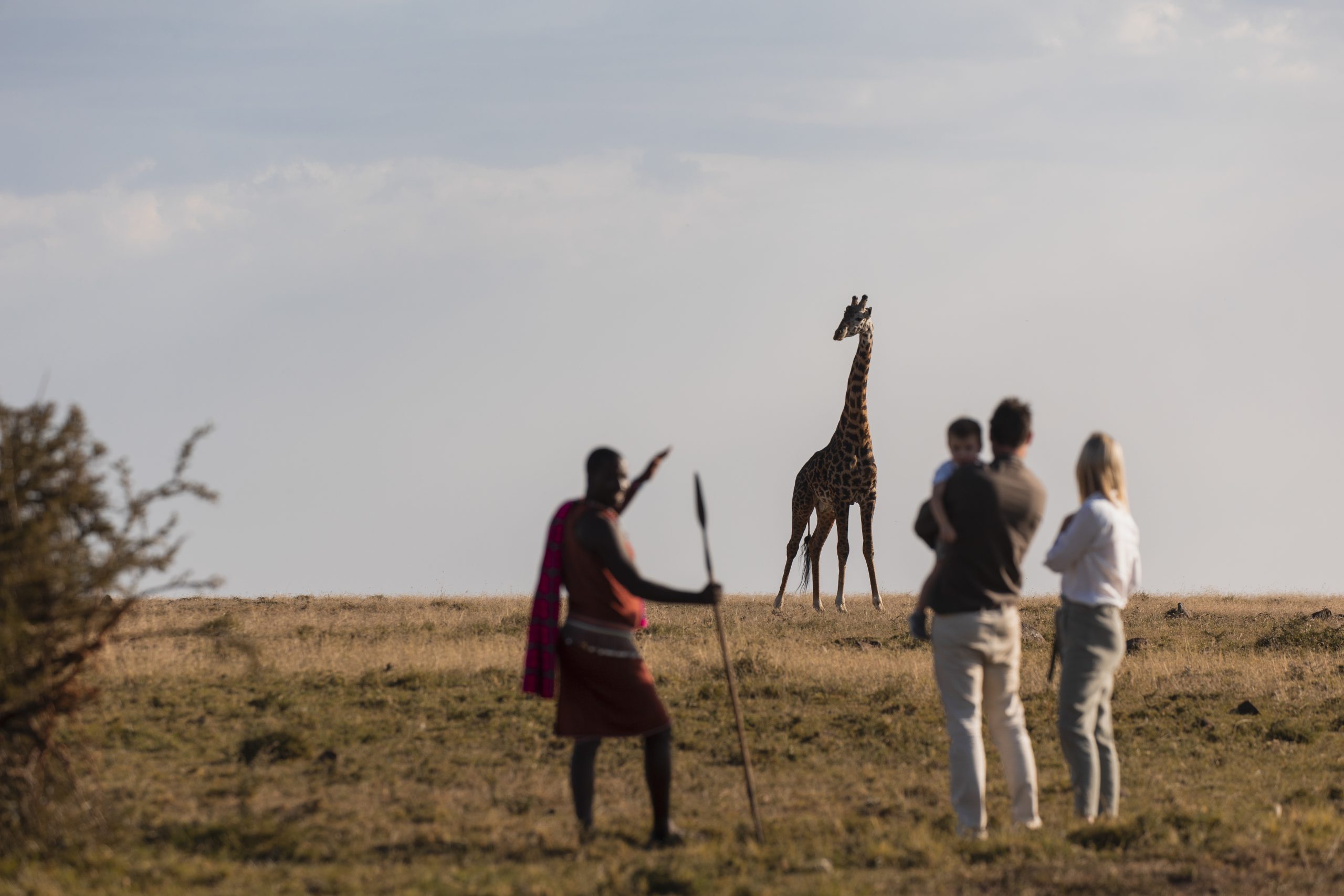
Between early morning alarms, packed work schedules and constantly full calendars, we are always on the go. It is easy to carry that same pace into our bush getaways, rushing from sighting to sighting, chasing the next lion kill and ticking off the rest of the Big Five.
But when we follow a rigid checklist, we miss what a safari is really about. It is the chance to slow down, breathe in the earthy scents and notice the smaller, often overlooked species that bring the grasslands to life.
Here’s why slowing down might be the best decision you make on your next safari.
A slow safari challenges the need to rush from one sighting to the next. Instead of measuring the day’s success by how many animals you tick off a list, it values time spent watching animal behaviour unfold, like a herd of impala shifting cautiously through the grass or a couple of dung beetles quietly at work. The reward is a deeper, more meaningful safari experience.
Slow safaris are ideal for travellers seeking more than just animal viewings, photographers waiting patiently for the perfect light and the story behind the image and curious minds willing to let the day evolve naturally rather than following a tightly structured itinerary.
A slow safari benefits not only the traveller but also the environment. Lingering longer in one area reduces vehicle congestion and minimises stress on wildlife, encouraging ethical, respectful viewing practices. It also provides space for expert guides to share their knowledge, enabling you to learn all about wildlife habits, ecosystems and conservation practices.
Another benefit of exercising patience is the increased chance of witnessing rare or intimate interactions. You might watch a rhino rest quietly under a tree, a family of warthogs foraging for food or birds quietly building their nests. These are moments that often go unnoticed on a rushed safari, yet they highlight the delicate patterns that shape life on the plains.
If the thought of slowing down and soaking up each safari experience at your own pace sounds like bliss, take a look at what our 6-night Off-the-Grid Escape – one of several options – has in store.
This soul-soothing safari across the Naboisho and Mara North Conservancies blends open-sided tent stays with starlit bush dinners and off-grid riverside escapes. It’s perfect for unhurried days, genuine reconnection and immersing yourself in the wild at its most untouched.
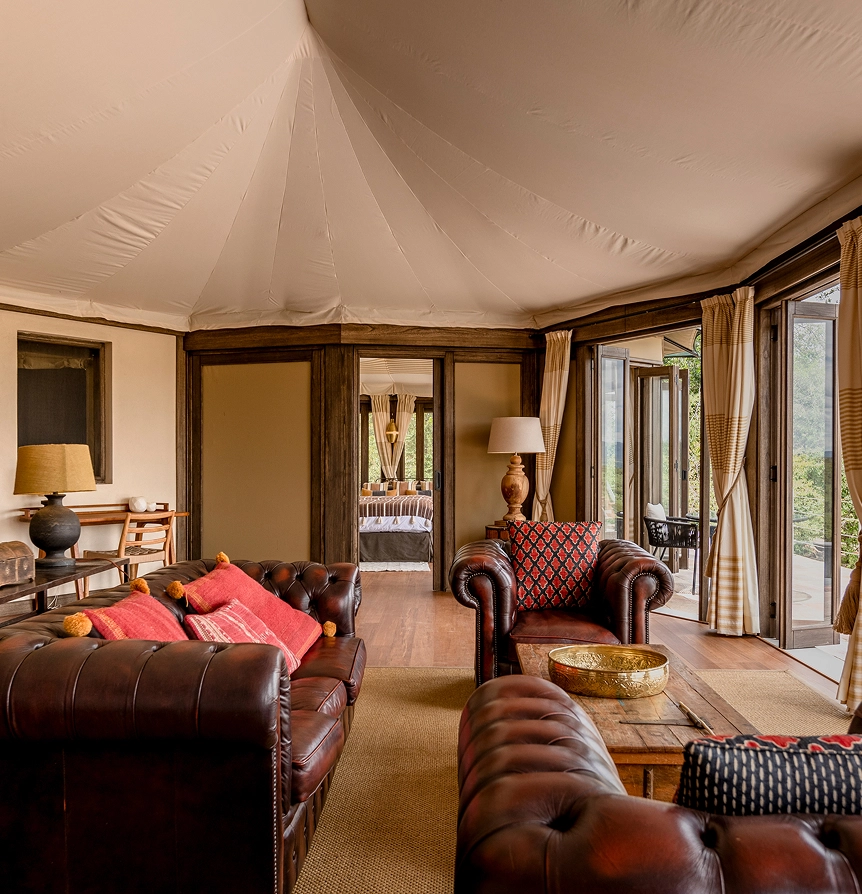
Your journey begins in the tranquil wilderness of Naboisho Conservancy, where life slows to nature’s rhythm. At Hemingways Ol Seki Mara, you’ll wake to fresh coffee in an open-sided tent, enjoy gentle game drives and optional Maasai-led sunrise walks, and unwind between adventures. Evenings end with lantern-lit dinners beneath a canopy of stars.
Travel deeper into the Mara North Conservancy to Hemingways River Camp Mara, a secluded, Wi-Fi-free retreat set along the Njagetek River. With digital distractions gone, your days unfold with fireside breakfasts, game drives, and quiet riverside relaxation, with the option of a Maasai-led nature walk or sunrise hot air balloon safari. It’s an experience designed to help you feel present, grounded, and fully alive.
Spend your final morning savouring one last coffee and a final view of the bush before departing, leaving the Mara feeling refreshed, unhurried, and quietly transformed.
At Hemingways, every safari is designed to unfold at its own pace. Our expert guides craft each itinerary with purpose, showing you hidden corners of the reserve and sharing their knowledge of the vast wildlife.
Guests also look forward to sipping sunset drinks while taking in the views of the savannah, lantern-lit dinners under the stars and gathering around the fire for stories that bring the bush to life.
Discover the art of slowing down with our family safari escape, or get in touch with our expert team today to create a tailored experience just for you.
Reconnect with nature and embrace the rhythm of the wild with a thoughtfully curated Hemingways safari. From immersive wildlife encounters to luxurious stays in the Maasai Mara, every journey is designed for meaningful discovery and relaxation. Contact our expert team today to craft your personalised slow safari experience.
1. What is a slow safari?
A slow safari is a mindful approach to wildlife exploration that prioritises quality over quantity. Instead of rushing between sightings, travellers spend more time observing animal behaviour, appreciating nature, and enjoying a deeper connection with the environment.
2. Where can I experience a slow safari in Kenya?
Kenya’s Maasai Mara, particularly the Naboisho and Mara North Conservancies, offers exceptional slow safari experiences. These regions are known for their exclusive settings, abundant wildlife, and sustainable tourism practices.
3. What are the benefits of a slow safari?
A slow safari provides richer wildlife encounters, reduced environmental impact, enhanced learning from expert guides, and a more relaxed and immersive travel experience.
4. Is a slow safari suitable for photographers?
Yes, slow safaris are ideal for photographers. Extended time at sightings allows for better lighting, composition, and the opportunity to capture rare and meaningful wildlife moments.
5. How does a slow safari support conservation?
By reducing vehicle congestion and promoting responsible wildlife viewing, slow safaris help protect ecosystems, minimise stress on animals, and support sustainable tourism initiatives.
6. What wildlife can you see on a slow safari in the Maasai Mara?
Visitors may encounter lions, elephants, rhinos, leopards, buffalo, giraffes, zebras, and diverse birdlife, as well as fascinating smaller species that are often overlooked during fast paced safaris.
7. What makes the Hemingways Off the Grid Escape unique?
The Off the Grid Escape offers luxury tented stays, expert guided game drives, Maasai led walks, starlit dinners, and immersive experiences in the pristine Naboisho and Mara North Conservancies.
8. When is the best time to go on a slow safari in the Maasai Mara?
The Maasai Mara is a year round destination. The Great Migration season from July to October is particularly spectacular, while other months offer quieter and more intimate wildlife encounters.